Dermocosmetic research, exploring skin penetration pathways
When Biology Meets Physics: Using Neutrons and Raman Spectroscopy to Rethink Dermocosmetic Innovation

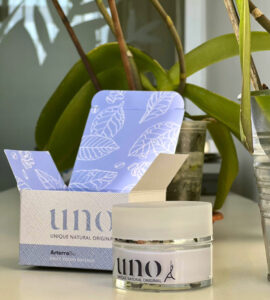
A collaboration between Arterra Bioscience S.p.A., the ISIS Neutron and Muon Source and ISIS@MACH ITALIA is opening new avenues for understanding how natural cosmetic ingredients interact with the complex layered structure of human skin. For Arterra Bioscience—an Italian biotech company specialising in plant-derived actives—this partnership offers access to analytical tools that go beyond traditional biochemical and cellular methods.
Arterra’s research explores how botanical extracts affect keratinocytes, fibroblasts, melanocytes, and ex-vivo skin explants. Yet a key question remains: can these active compounds help to cross the skin’s barrier and reach the layers where they act? To investigate this, Dr. Adriana De Lucia turned to the physics-based techniques made available through the ISIS@MACH ITALIA Access Programme.
Probing Skin Layers with Neutrons and Raman Spectroscopy
Two complementary experiments were undertaken to study ingredient penetration.
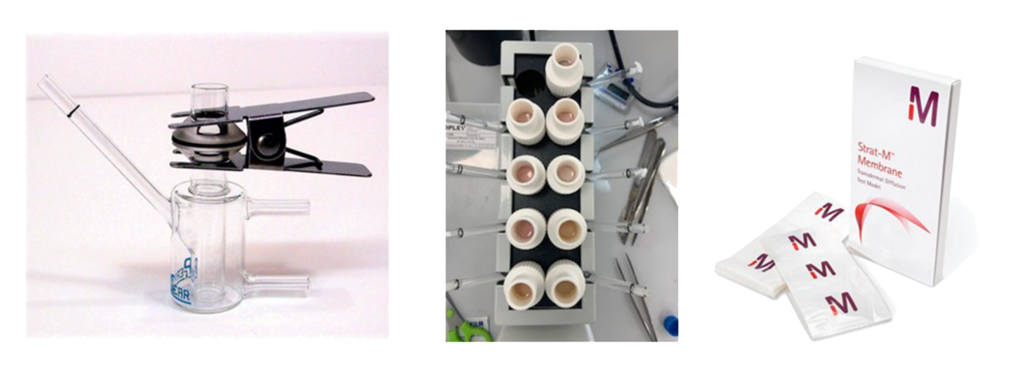
The first experiment used neutrons to examine whether specific molecules could pass through synthetic multilayer membranes designed to mimic human skin. Working with these artificial membranes enabled controlled measurements without the logistical challenges of transporting biological samples. Although no significant penetration was detected—likely due to low concentrations—the results provided essential guidance for refining future experiments.
In parallel, Raman spectroscopy at the University of Rome Tor Vergata compared placebo creams with formulations containing the active ingredient. Subtle spectral differences revealed how the products interacted with the surface and upper layers of synthetic skin, offering initial insights into ingredient distribution.
Together, these studies mark Arterra’s first use of physics-based approaches to investigate skin penetration, broadening their research capabilities and opening new directions for innovation.
Why Penetration Matters
Determining how deeply active ingredients travel within the skin is crucial for validating dermocosmetic efficacy. Arterra’s plant-derived molecules aim to support hydration, restore barrier function, and, where possible, reach deeper layers such as the dermis to improve elasticity and firmness. Demonstrating whether these molecules can access their target cells— epidermal keratinocytes—is therefore vital for guiding product formulation.
Collaboration Enabling New Possibilities
Although the first experiments posed technical challenges, Dr De Lucia highlights the value of the collaboration:
“This was our first attempt at understanding the physics of skin layers. The results show that we need to refine the experimental design, but the collaboration opens new possibilities for us.”
The partnership is now shaping Arterra’s next research steps. The team is developing advanced delivery systems to enhance ingredient transport and plans to compare different formulations in future ISIS@MACH ITALIA proposals. Such studies could clarify how delivery technologies influence penetration and strengthen product design.
Further details:
You can read the full report here: Arterra Bioscience S.p.A.-Report.pdf

Adriana De Lucia is a researcher at Arterra Bioscience (Naples, Italy) working in the field of biotechnology and natural bioactive compounds. Her research focuses on the development and characterization of active ingredients derived from plant cells, microalgae and other biological sources for applications in health and cosmetic science. She has contributed to several scientific publications on bioactive compounds and biotechnological approaches to natural product development.