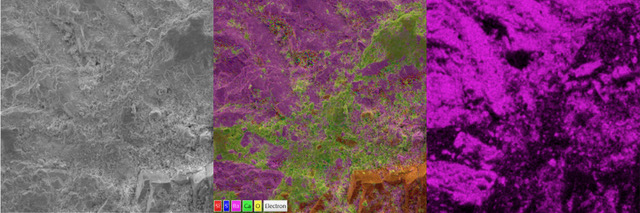
How IM@IT Supports Industrial Innovation at Arterra Bioscience
Access to medium and large-scale research infrastructure helps industry explore new research pathways and improve products

For innovative companies, moving beyond established research methods often requires access to tools, expertise, and networks that are not available in-house. This is where ISIS@MACH ITALIA plays a crucial role—helping companies explore advanced analytical techniques, understand their potential value, and translate curiosity into structured experimentation.
One such example is Arterra Bioscience S.p.A., an Italian biotechnology company specialising in plant-derived active ingredients for dermocosmetics and medical applications. Through collaboration with ISIS@MACH ITALIA and the ISIS Neutron and Muon Source, Arterra has been able to explore entirely new ways of understanding how its ingredients interact with human skin.
Arterra Bioscience was founded by Gabriella Colucci, a scientist-entrepreneur whose career path spans academia, international research, and industrial innovation. After conducting research in Europe and the United States—including work in California during the early growth of the biotech sector—Colucci returned to Italy with a clear goal: to build a sustainable biotech company grounded in scientific excellence and collaboration.
Today, Arterra employs around 45 people, including 15 PhD scientists, and operates across multiple research domains, combining biotechnology, plant science, and applied research. Collaboration has always been central to its model—working closely with universities, public research institutions, and industrial partners.
Arterra’s research traditionally focuses on how botanical extracts interact with skin cells such as keratinocytes, fibroblasts, and melanocytes, using biochemical, cellular, and ex-vivo skin models. However, a key scientific question remaines unanswered:
Can active ingredients cross the skin barrier and reach the layers where they are meant to act?
Answering this requires insight into the physical structure of skin—an area where conventional biological methods alone are often insufficient. This is where physics-based techniques become valuable.
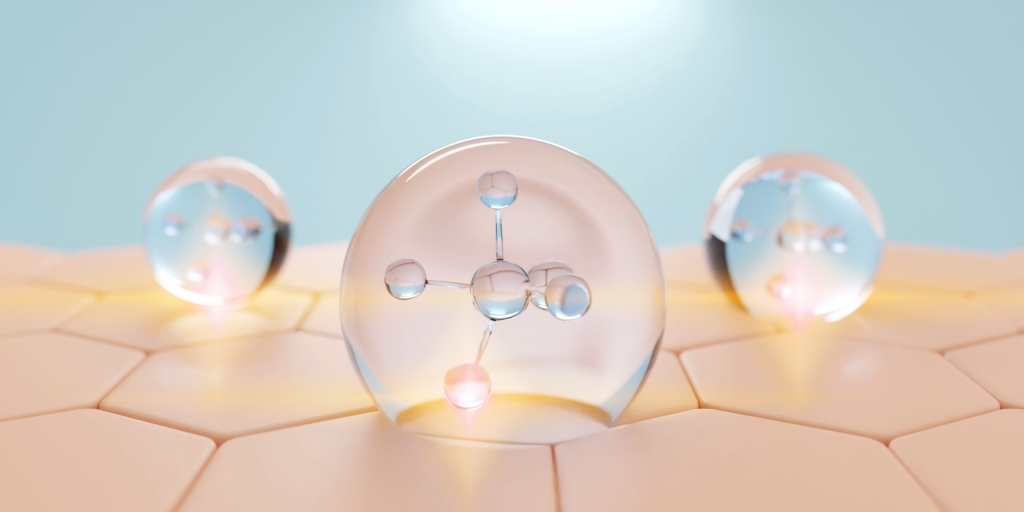
Through the ISIS@MACH ITALIA Access Programme, Arterra explored neutron-based methods and spectroscopy to investigate skin penetration mechanisms—an approach entirely new to the company.
Dr Adriana De Lucia, who led the experimental work, worked with ISIS@MACH ITALIA to design and carry out two complementary studies:
Probing Skin Layers with Neutrons and Raman Spectroscopy
- Neutron experiments were used to assess whether active molecules could penetrate synthetic multilayer membranes designed to mimic human skin. Although no significant penetration was observed—likely due to low concentrations—the study provided essential guidance for refining future experimental designs.
- Raman spectroscopy, conducted at the University of Rome Tor Vergata, compared placebo formulations with active-containing creams. Subtle spectral differences revealed how formulations interacted with surface and upper skin layers, offering early insights into ingredient distribution.
Together, these experiments marked Arterra’s first use of physics-based analytical tools, expanding the company’s research horizon and opening new directions for innovation. For companies approaching large-scale research infrastructures for the first time, the challenge is both technical and conceptual.
As Gabriella Colucci notes, “industrial users often need time to understand what such facilities can offer and how to frame meaningful scientific questions. This is where IM@IT acts as a bridge—supporting companies in navigating new methodologies, building the right collaborations, and learning how to translate industrial challenges into experimental strategies.”
Even when early experiments are exploratory, the value lies in:
- gaining familiarity with new tools,
- learning how to design future studies,
- building networks with scientists and facilities,
- and understanding how advanced infrastructures can complement in-house R&D.
“Arterra already collaborates extensively with universities in Naples, Florence, Milan Bicocca, and Rome Tor Vergata. Through ISIS@MACH ITALIA, this network now extends into neutron science and spectroscopy—demonstrating how cross-sector and cross-disciplinary collaboration can generate insight even in non-traditional application areas such as dermocosmetics.”
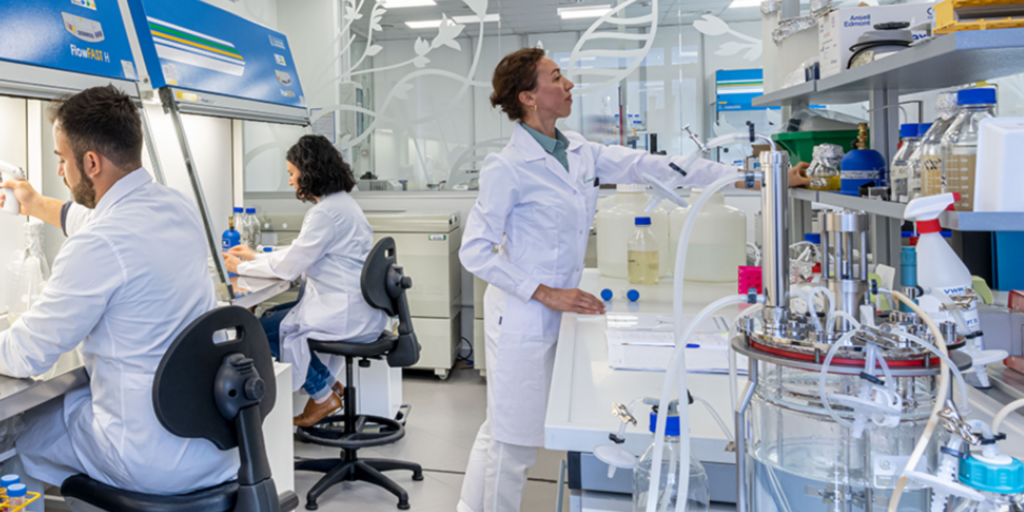
Reflecting on the collaboration, Dr De Lucia highlights its long-term value:
“This was our first attempt at understanding the physics of skin layers. The results showed us that the experimental design needs refinement, but the collaboration opened new possibilities for us.”
Arterra is now developing advanced delivery systems and planning follow-up studies, with future ISIS@MACH ITALIA proposals aimed at comparing formulations and understanding how delivery technologies influence penetration.
“The collaboration with Arterra Bioscience illustrates how ISIS@MACH ITALIA supports industry not only when experiments succeed, but also when they raise new questions. By helping companies assess readiness, understand capabilities, and learn through experimentation, IM@IT enables informed innovation and sustainable growth – Colluci said.”
As Arterra continues to combine biotechnology with advanced analytical methods, this partnership demonstrates the power of shared expertise in turning scientific curiosity into impactful industrial research.
Further details:
You can read the full report here: Arterra Bioscience S.p.A.-Report.pdf
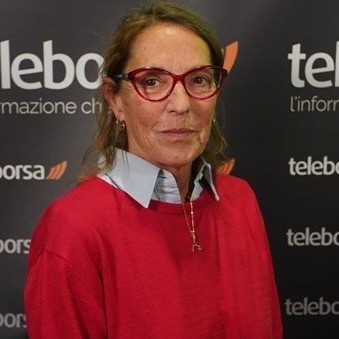
Gabriella Colucci is an experienced Chief Executive Officer with a demonstrated history of working in the biotechnology industry. Strong business development professional skilled in Research and Development (R&D), Chemistry, Bioinformatics, Protein Chemistry, and Life Sciences.
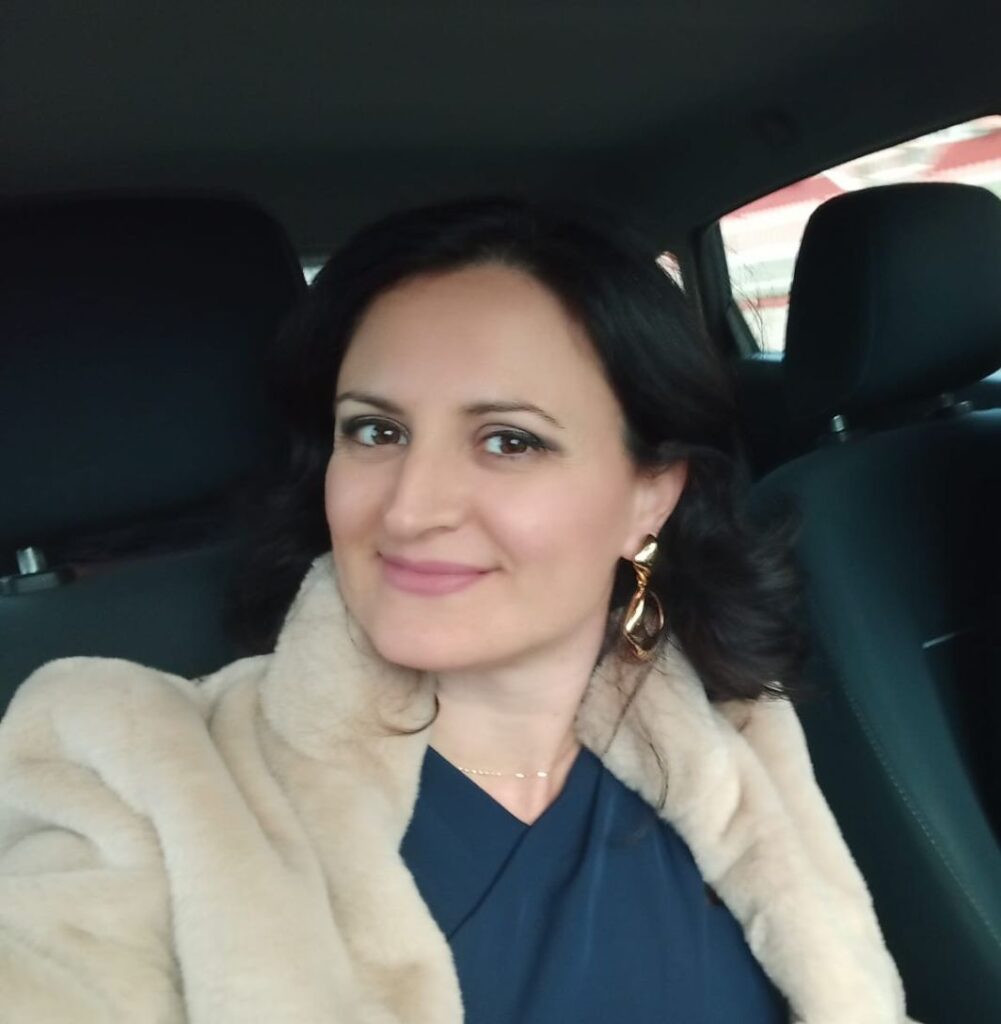
Adriana De Lucia is a researcher at Arterra Bioscience (Naples, Italy) working in the field of biotechnology and natural bioactive compounds. Her research focuses on the development and characterization of active ingredients derived from plant cells, microalgae and other biological sources for applications in health and cosmetic science. She has contributed to several scientific publications on bioactive compounds and biotechnological approaches to natural product development.