Tracing Ancient Populations Through DNA and non-invasive science
The ancient DNA and non-invasive science are reshaping our understanding of human history
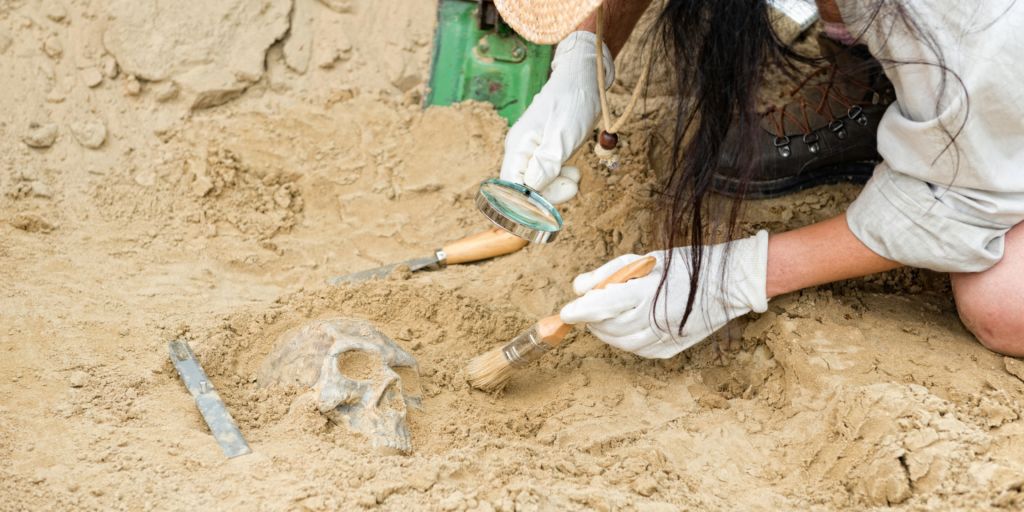
Understanding how ancient human populations moved, lived, and interacted remains one of the central questions of anthropology. For researchers working with human remains, this task presents specific challenges: the materials are fragile, irreplaceable, and protected as cultural heritage. Advancing knowledge must therefore be balanced with strict standards of conservation and ethical responsibility.
At the Museo e Istituto Fiorentino di Preistoria, Pier Francesco Fabbri, Director of the Anthropology Laboratory, leads research spanning from the Palaeolithic to Protohistory. His work focuses on the study of human remains recovered from archaeological excavations—primarily bones and teeth—which provide direct biological evidence of past populations.
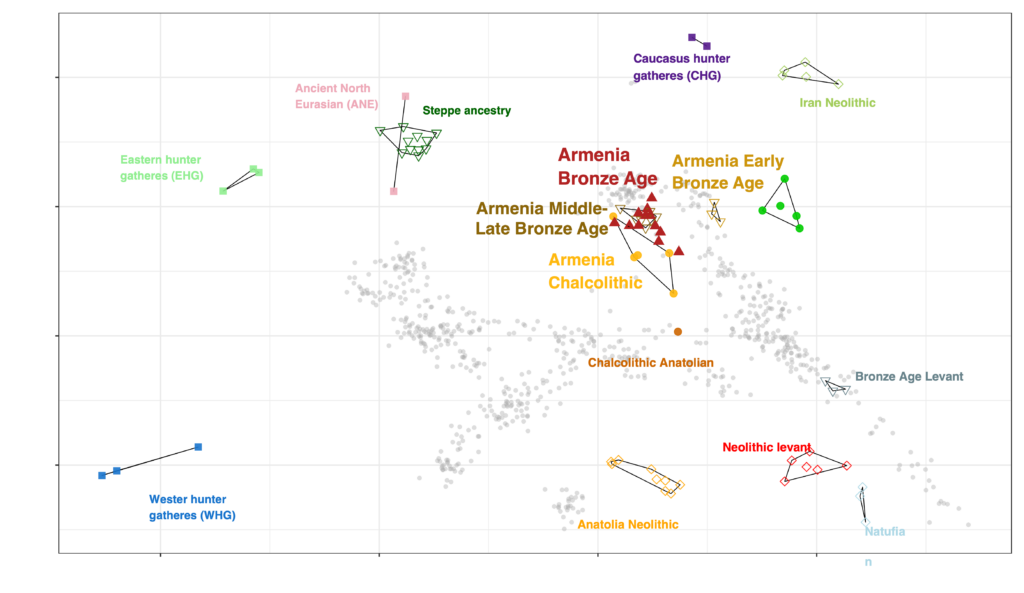
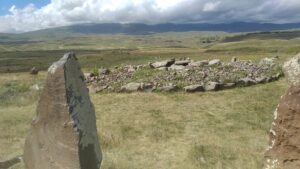
In recent years, Fabbri’s research has concentrated on the southern Caucasus, particularly present-day Armenia and Georgia, during the Copper and Bronze Ages. As a historical crossroads between the Eastern European steppes, the Eastern Mediterranean, and the Iranian plateau, this region plays a central role in understanding large-scale population movements in prehistory.
Studying such remains is methodologically and ethically complex. In some cases, a single skeleton represents the only known human evidence from a specific period and region. Beyond their scientific value, these remains are subject to strict legal frameworks and increasing ethical scrutiny.
“All the human remains we study are unique. Each represents a single individual, and their conservation must always come first” – says Pier Francesco Fabbri.
For this reason, non-invasive and minimally destructive approaches are fundamental to his methodology. Advances in analytical techniques over recent decades have made it possible to obtain meaningful data even from remains once considered too poorly preserved to study—provided they are handled with appropriate care.
Through the IM@IT Programme and collaboration with ISIS@MACH ITALIA, Fabbri’s team gained access to advanced ancient DNA analysis supported by technical expertise. This integration of archaeological context and genetic data has significantly strengthened the scientific scope of the project. Using DNA sequencing and analysis, the team can reconstruct population origins, trace migration patterns, and explore relationships between ancient communities. Genetic evidence can also shed light on post-marital residence patterns and paleopathological conditions, as the DNA of pathogenic microorganisms is sometimes preserved alongside human DNA.
“The current Caucasus project, Fabbri explains, would not have the same scientific impact without access to ancient DNA analysis. Combining archaeological context with genetic evidence allows researchers to build a much more detailed and accurate picture of how this pivotal region was inhabited and how its populations changed over time.”
The team has extracted and analyzed approximately fifty Bronze Age genomes from the southern Caucasus. DNA preservation has been consistently high, with endogenous content ranging from 52.4% to 83%, supporting the expectation of robust results. The project was presented at the 2025 AAI conference in Cagliari, where it received the award for best poster, and will also be showcased at the 2026 EAA Annual Meeting in Athens.
Carrying out research of this kind requires not only scientific questions and archaeological material, but also appropriate infrastructure, methodological guidance, and sustainable support. For scholars working outside physics or chemistry, navigating advanced laboratory environments can be challenging. Technical assistance throughout the research process plays a crucial role in ensuring that complex methodologies remain accessible to anthropologists and archaeologists.
Fabbri also highlights a practical but essential dimension of the collaboration: funding.
“Archaeology and anthropology rarely receive substantial funding. Being able to use so many advanced laboratories at no cost is an extremely rare opportunity that significantly expands what can be achieved.”
He describes the collaboration with ISIS@MACH ITALIA as scientifically meaningful and highly productive, enabling research that would otherwise be difficult to conduct within the structural constraints of archaeology and anthropology.
Looking ahead, Fabbri and his team plan to continue applying integrated archaeological and genetic approaches to new datasets, both in the Caucasus and in Italy. As new research questions emerge, ancient DNA analysis will remain central to investigating prehistoric population dynamics.
By supporting projects of this kind, ISIS@MACH ITALIA contributes to sustained interdisciplinary research that bridges archaeology, anthropology, and advanced molecular science—deepening our understanding of human history while ensuring that the individuals behind the data are treated with care and respect.
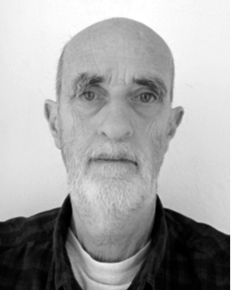
Pier Francesco Fabbri is an Italian anthropologist and Director of the Laboratory of Anthropology at the Museo e Istituto Fiorentino di Preistoria in Florence. His research focuses on past human populations from the Paleolithic to the Middle Ages, with extensive fieldwork in Italy and abroad. He has contributed to over 100 publications and is currently involved in research on ancient DNA in the South Caucasus, supported by ISIS@MACH ITALIA.