
Industrial Science Highlights

Non-invasive Neutron Techniques for Cultural Heritage used at the Museo Egizio
Studying and preserving ancient artefacts made from organic materials is far from straightforward. Objects such as ancient leather, textiles or human remains are often extremely fragile and can easily be damaged by light, humidity or handling. Over centuries, their internal structure slowly changes, but understanding how and why this happens is difficult — especially when the objects are unique and cannot be sampled or altered.
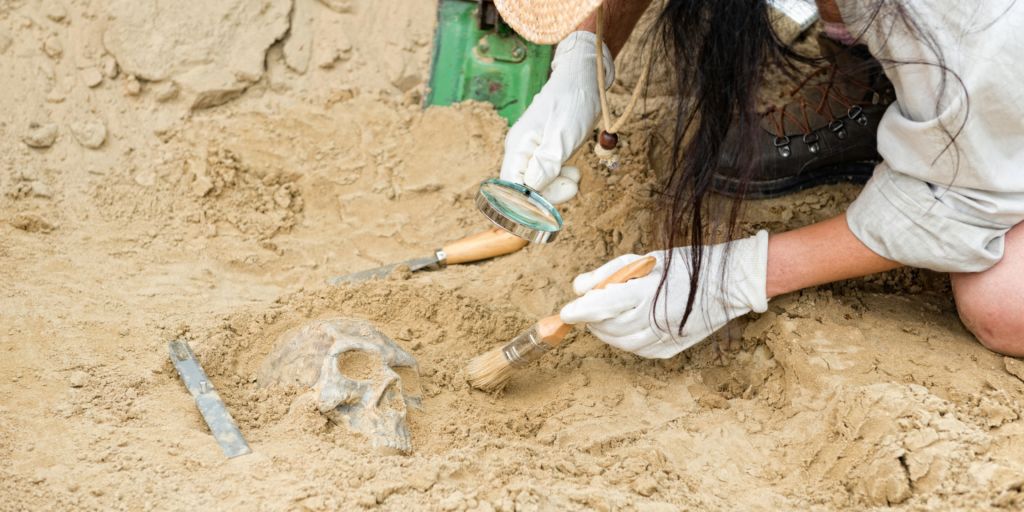
Tracing Ancient Populations Through DNA and non-invasive science
Understanding how ancient human populations moved, lived, and interacted remains one of the central questions of anthropology. For researchers working with human remains Museo e Istituto Fiorentino di Preistoria, this task presents specific challenges: the materials are very fragile, irreplaceable, and protected as cultural heritage. Advancing knowledge must therefore be balanced with strict standards of conservation and ethical responsibility.

How IM@IT Supports Industrial Innovation at Arterra Bioscience
For innovative companies, moving beyond established research methods often requires access to tools, expertise, and networks that are not available in-house. This is where ISIS@MACH ITALIA plays a crucial role—helping companies explore advanced analytical techniques, understand their potential value, and translate curiosity into structured experimentation. One such example is Arterra Bioscience S.p.A., an Italian biotechnology company.

How STMicroelectronics and ISIS@MACH ITALIA Are Reinforcing Electronics for a New Era
Cosmic radiation might seem like a problem for satellites, but it increasingly affects the electronics we depend on every day. For Francesco Pintacuda, Radiation-Hardened Design Manager at STMicroelectronics, understanding how cosmic-ray–generated neutrons interact with modern semiconductor devices is now essential for the future of electric mobility, renewable energy systems and even emerging electric aircraft.

Dermocosmetic research, exploring skin penetration pathways
A collaboration between Arterra Bioscience S.p.A., the ISIS Neutron and Muon Source and ISIS@MACH ITALIA is opening new avenues for understanding how natural cosmetic ingredients interact with the complex layered structure of human skin. For Arterra Bioscience—an Italian biotech company specialising in plant-derived actives—this partnership offers access to analytical tools that go beyond traditional biochemical and cellular methods.

Testing the resilience of ultralow-power electronics for the Internet of Things
Using ChipIr, researchers investigated how an ultralow-power system-on-chip responds to neutron flux similar to that found in the atmosphere. The study focused on the PLSense PLS10, a prototype microcontroller designed for battery-operated IoT systems, and explored its vulnerability to radiation-induced bit flips. The findings could help inform the future design of low-power devices that are more resilient to particle hits.
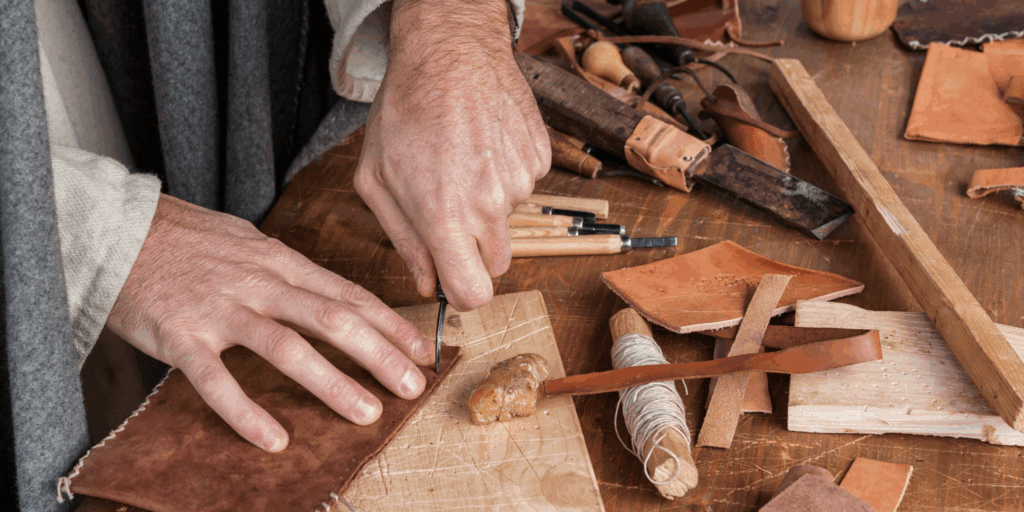
Investigating hydration and preservation in ancient Egyptian leathers
New research from our ISIS@MACH ITALIA collaboration has revealed new insights into hydration and preservation in ancient Egyptian leather artefacts. Combining neutron experiments with complementary laboratory techniques, the team studied leather objects dating from around 2700 BC to 600 AD to better understand how they were made, how they changed over time, and how they have been preserved.
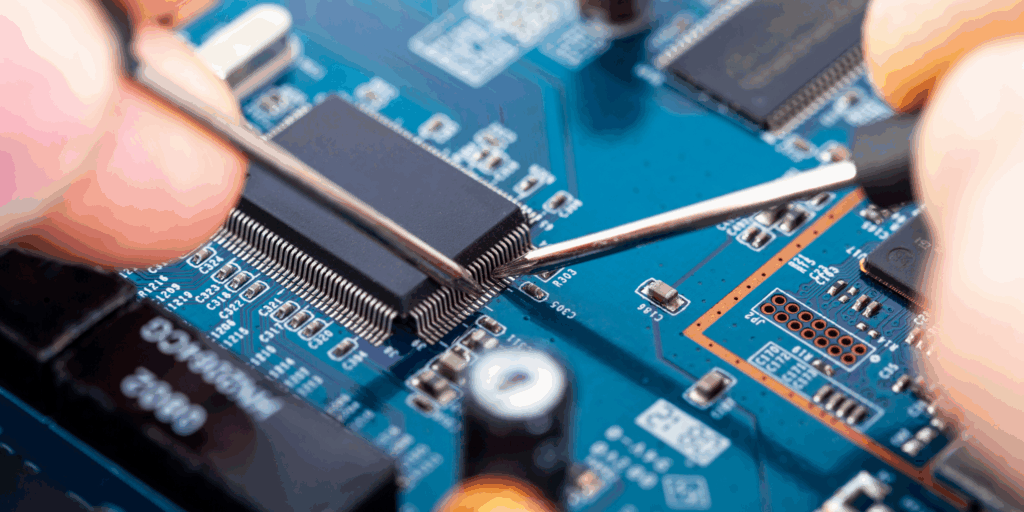
Testing Small Satellite Electronics Under Neutron Radiation
Micro- and nano-satellites — compact spacecraft weighing only a few dozen kilograms — are attracting growing interest from both the scientific and industrial communities. Their low mass significantly reduces launch costs, making it possible to deploy large constellations of small satellites that can gather data from multiple locations, providing higher precision than a few larger satellites. Costs can be reduced even further.
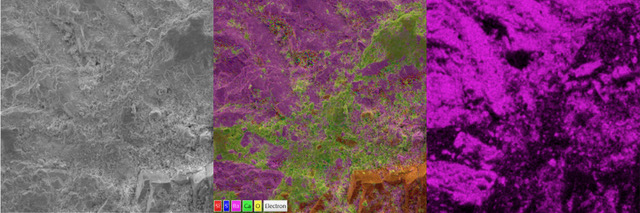
Heavy Concrete for Radiation Shielding: A Powerful Combination
A unique combination of scanning electron microscopy to look at the atomic level details of heavy concrete, and its neutron shielding properties. By using heavy concrete up to 40% of the wall thickness can be eliminated compared to ordinary concrete. However, the concentration of barite (BaSO4) in heavy-weight concrete needs to be tuned to determine the optimal shielding properties in a mixed γ -ray and neutron radiation environment.