
Science Highlights
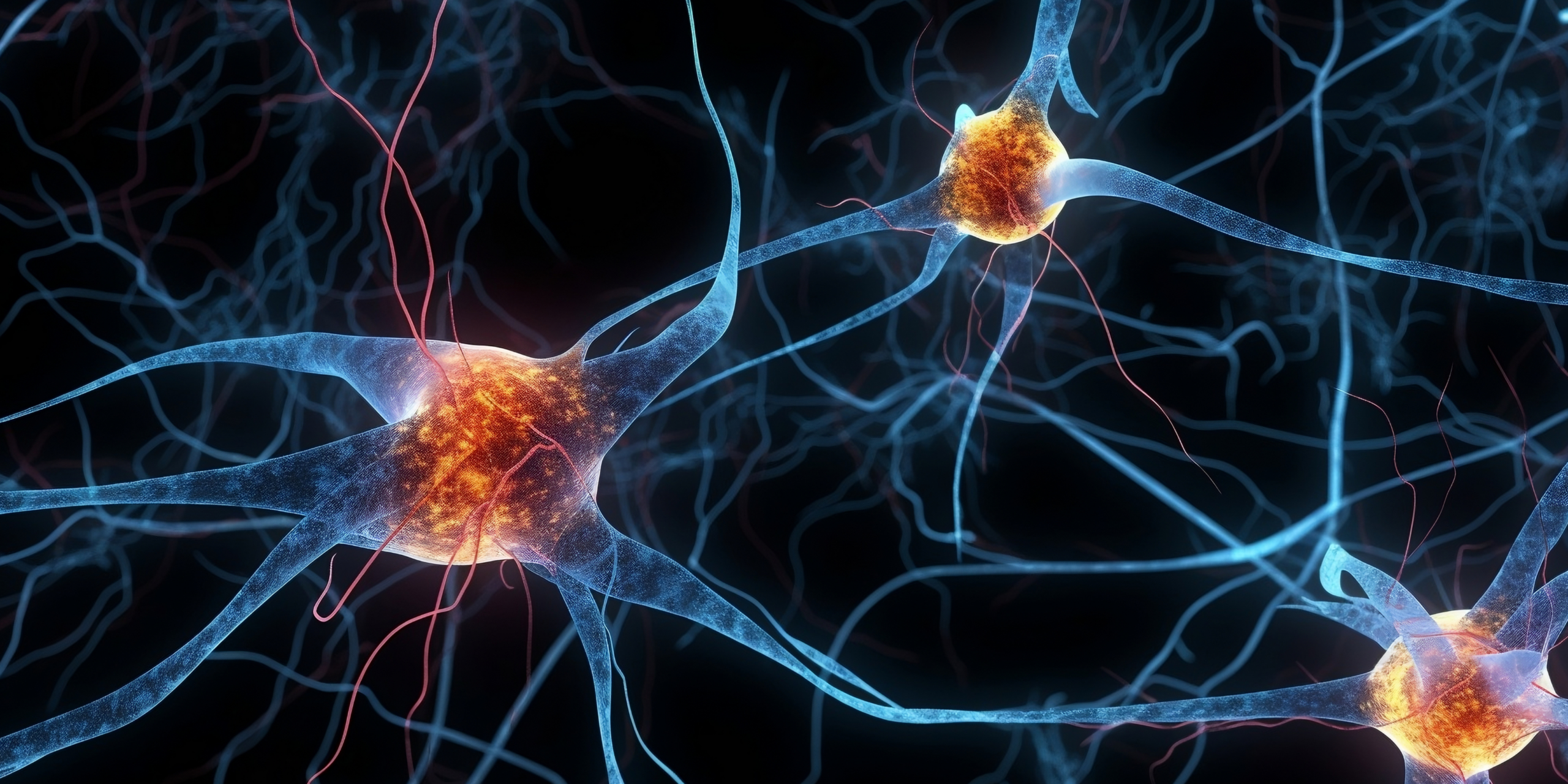
Understanding Alzheimer’s and Parkinson’s at the Molecular Level
Neurodegenerative diseases such as Alzheimer’s and Parkinson’s are among the most complex challenges in modern medicine. They affect millions of people worldwide, gradually impairing memory, cognition, and movement. Despite decades of research, scientists are still working to fully understand what causes these diseases—and how to stop them. Many neurodegenerative diseases are linked to the behaviour of specific proteins in the brain.
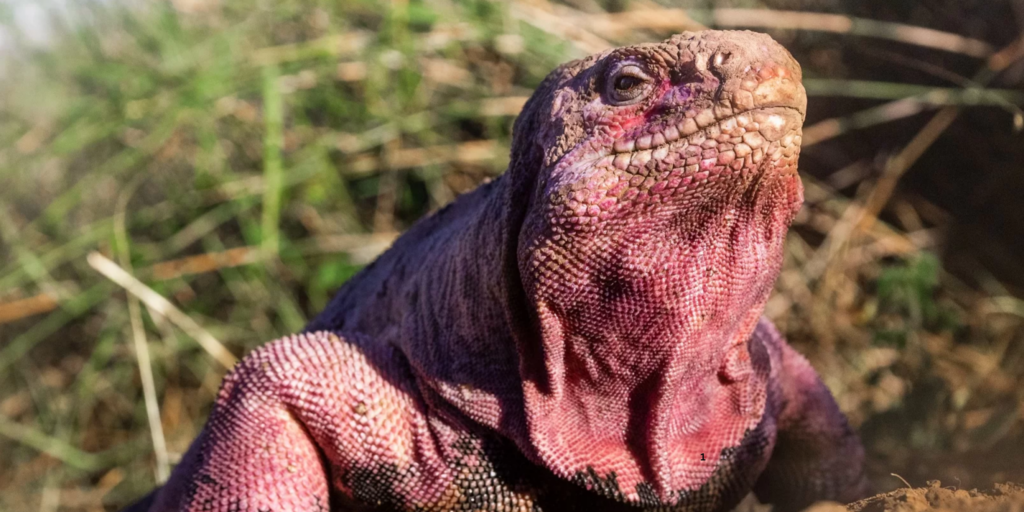
Pink Iguana’s ancient DNA: uncovering the past to protect the future
High on the slopes of Volcán Wolf in the Galápagos lives one of the rarest reptiles on Earth — a large pink land iguana that Charles Darwin himself completely missed. Today, this remarkable animal is at the centre of a research project that brings together field biology, genetics, ancient DNA, and international scientific collaboration through ISIS MACH Italia. The work is helping scientists uncover its past and protect its future.
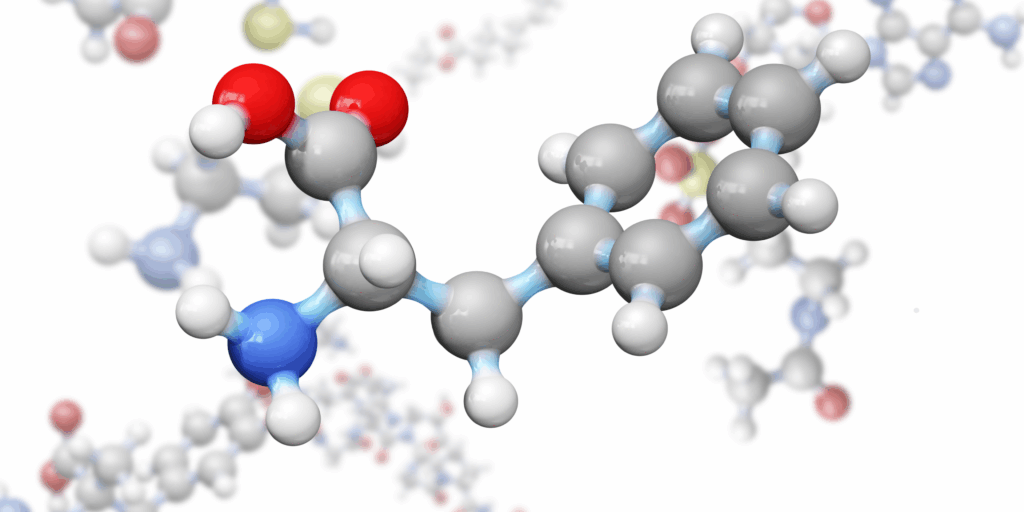
Building a catalogue of amino acid neutron scattering interactions
Researchers have completed an in-depth characterisation of the thermal neutron cross sections of all twenty amino acids, developing a new model that can be easily applied to other organic materials. The knowledge of the scattering cross section of amino acids is important when investigating the interaction of neutrons on biological systems during medical procedures such as Boron Neutron Capture Therapy.
Recreating the physical and chemical condition of Mariana Trench on Earth
Scientists from Rome Tor Vergata and ISIS have used the Vesuvio spectrometer to unravel part of the mystery behind the physical and chemical conditions of the Mariana Trench – one of the most extreme environments in the world. By using deep inelastic neutron scattering (DINS) they were able to measure the kinetic energy of the hydrogen atoms in the water under these conditions.

Uncovering the Antioxidant Secrets of Extra Virgin Olive Oil with Neutrons
Extra-virgin olive oil (EVOO) is one of the most important ingredients as well as the main source of lipids in the Mediterranean diet. It is known to contain biologically relevant phenolic components with recognised health-beneficial properties. While in the past, several studies focused on the behaviours of isolated components of olive oil samples this is the first-time researchers have been able to study the real-life of the same EVOO samples from Tuscany and Umbria regions, by combining UV-VIS and Raman spectroscopies with Inelastic Neutron Scattering (INS).
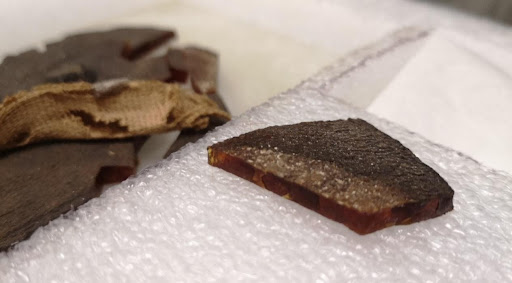
Uncovering the Secrets of Ancient Egyptian Leather with Neutrons
Leather sandals, bags, and furniture fragments from ancient Egypt are among the most remarkable organic artifacts preserved at the Museo Egizio in Turin. Dating back as far as 1400 BCE, these objects once formed part of daily life — and, thousands of years later, they continue to tell us stories about how people lived, worked, and crafted materials. nderstanding what’s happening inside these ancient materials is vital to protecting them for the future .